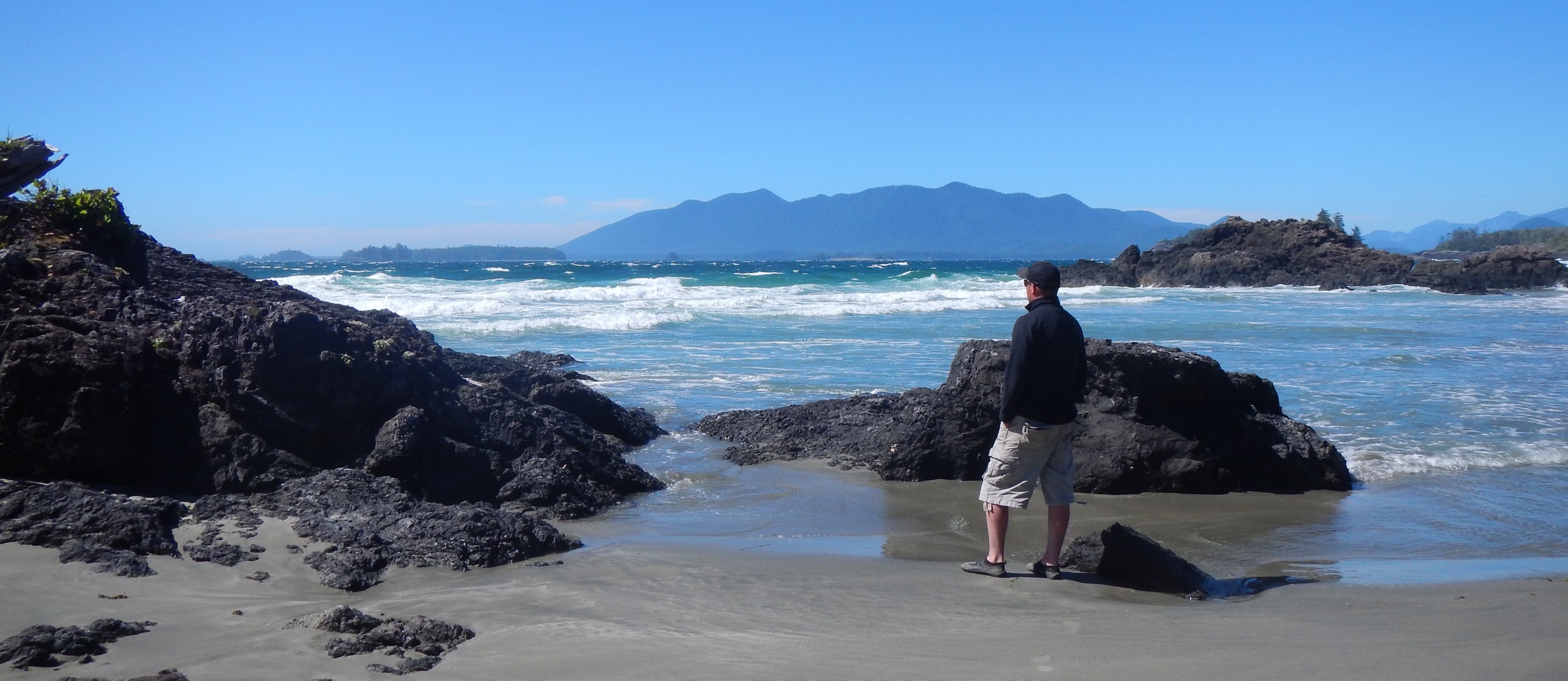
Mount Washington is a mountain on the eastern edge of the Vancouver Island Ranges of British Columbia. It is located approximately 25 km from the Comox Valley. The mountain was named after Rear Admiral John Washington, official Hydrographer, British Royal Navy, by Captain George Richards while charting the West Coast in the 1860s.

I picked these up from Ski Tak Hut in Courtenay recently and was able to try them out in Kananaskis country, can’t wait to try them out elsewhere and for more winter pursuits. They worked flawlessly. For great products and customer service, visit Ski Tak Hut’s website: http://skitakhut.com

Thank you to my followers, wishing you all a happy holiday season!

In February I tried my hand at some street photography in Vancouver with my Nikon 1 AW1 and I was quite pleased with the results. Recently, in Banff I was able to try my hand at this again but this time with my much more powerful Nikon D810 accompanied with a wide angle 16-35 mm lens and 70-200 mm lens. What surprised me most was the success that I had with the 70-200 mm lens.
On his blog in late September, friend and fellow photographer John Enman discussed some tips for street photography which are as follows:
1. Use a wide-angle lens.
2. Get close.
3. Look for juxtaposition.
4. Focus on the essential.
5. Look for the light and shadows.
6. Look at the foreground and background.
7. Tell a story.
I did use a wide angle lens but like I mentioned, this time I found more success at least in my opinion with the mid-range telephoto which actually forced me to get further away. I didn’t focus too much on juxtaposition or any particular subject matter or even telling any kind of a story either. Rules of composition such as managing light as well as foregrounds and backgrounds were followed but that was pretty much it. My best advice for street photography? Let the street tell it’s own story, just take lots of pictures. There’s always a lot happening so you don’t want to miss anything by trying to construct something that isn’t really there. 


I’m recruiting potential British Columbia based paddlers to join the BC Marine Trails Coastal Journey’s Team for 2017. This is a great way to showcase and share your adventures through writing, photography and video. Contact me for more information.


As the west coast of British Columbia and Vancouver Island gets battered by the remnants of Typhoon Songda I know this might seem like an odd time to talk about sea kayaking. But, if I can’t be paddling, why not think and talk about it right? In July of 2015 I purchased a Werner Cyprus paddle from Comox Valley Kayaks for about $600.00 and I must say, though expensive this was a sound investment. I was skeptical too but the right paddle truly does matter and makes a huge difference, especially for multi day expeditions. Below is a guideline that can be used when choosing the paddle you want and need:
How to Choose
Length
Kayak paddles range from about 210 cm to 260 cm in length. The correct size for you depends on your paddling style, your height and the width of your boat.
Paddling Style
Low-angle paddling uses a relaxed style with a slower cadence. It offers efficiency on long trips. The flatter (more horizontal) angle of the blade into the water means that low-angle paddles feature slim blades and are slightly longer than high-angle paddles.
High-angle paddling describes a more aggressive style and a faster cadence. This is preferred in moving water where acceleration and maneuverability are important. It requires ample force for each stroke; it’s also a great choice for fitness.
Height and Boat Width
The taller the paddler, the longer the paddle you will need. For example, a 6’2″ paddler with a 26″ wide boat would want a 230cm long paddle for low-angle paddling; a 5′ tall paddler with the same-width boat would be happier with a 220cm paddle. Boat width is important, too, so see the charts below (courtesy of Werner Paddles) for general guidelines.
Low-Angle Kayak Paddle Length Sizing (paddler height x boat width)
| Under 23″ | 23″ to 28″ | 28″ to 32″ | Over 32″ | |
| Under 5′ tall | 210cm | 220cm | 230cm | 240cm |
| 5′ to 5’6″ tall | 215cm | 220cm | 230cm | 240cm |
| 5’6″ to 6′ tall | 220cm | 220cm | 230cm | 250cm |
| Over 6′ tall | 220cm | 230cm | 240cm | 250cm |
High-Angle Kayak Paddle Length Sizing (paddler height x boat width)
| Under 26″ | Over 26″ | |
| Under 5’1″ tall | 200cm | 220cm |
| 5’1″ to 5’4″ tall | 205cm | 220cm |
| 5’4″ to 6′ tall | 210cm | 220cm |
| Over 6′ tall | 220cm | 230cm |
Blade Materials
It’s true that the lighter the weight, the easier the paddling. However, the best paddles offer a balance of light weight and strength. Weight is most relevant for touring paddles, especially on long trips.
Fiberglass
In the middle of the price range, these are popular for touring and recreational use, and for good reason. They are relatively light weight and offer excellent durability. Plus, they come in a wide range of colors.
Carbon Fiber
With its light weight and distinctive look, carbon fiber is the high-performance choice. It costs more, but if you’re headed out on a multiday trip you will appreciate the reduced weight over thousands of paddle strokes.
Nylon/Aluminum/Plastic
These paddles are affordable, durable and require minimal care. They make great spare paddles and can be a good choice for beginners or recreational kayakers. Downsides: They are relatively heavy, and aluminum can feel cold in cool weather.
Blade Design
Feathering
Blades are either feathered or nonfeathered. Nonfeathered blades are positioned in line with each other. Feathered blades are not on the same plane; they are offset at an angle to each other. The main benefit of feathering is that it reduces wind resistance and wrist fatigue. As one blade strokes through the water, the other slices through the air. Typical feathered blade angles vary from 30° to 45°. Smaller angles are easier on the wrists; larger angles offer greater efficiency when paddling.Blades are feathered in such a way that one hand always maintains control of the paddle. This “control hand” rotates the shaft with each stroke so the blades enter the water at the most efficient angle. Most touring paddles have take-apart shafts that let you change the feather angle and the control hand. The control hand is a matter of personal preference, and is not necessarily determined by whether you are right- or left-handed.
Blade Shape
Most paddle blades these days feature a asymmetrical dihedral shape Unlike older symmetrical blades, asymmetrical designs are relatively narrow and tolerate a more horizontal stroke, which requires less energy on your part. The dihedral shape creates a built-in angle, similar to an airplane wing. This allows water to flow smoothly and evenly over both halves of the blade.
Shafts
Most kayak paddles have simple straight shafts. Bent-shaft paddles have a “kinked” section that positions hands at a more comfortable angle during the power portion of a stroke, which minimizes discomfort and fatigue, especially if you have joint or shoulder injuries.Two-piece shafts break down for easy storage; 4-piece shafts break down even smaller making them a great choice for inflatables or as a backup paddle.Small-diameter shafts offer a less fatiguing grip for women or any paddler with smaller hands.Shafts come in 2 shapes: oval and round. Oval shafts offer a more comfortable grip than the traditional round shape. Some round shafts feature oval hand sections for a better grip. This is called oval indexing.
Carry a Spare
If your paddle breaks in the middle of an open water crossing, or if you lose it on the second day of a week long sea kayaking trip, what will you do? Without a spare, you might literally find yourself up a creek without a paddle. (This has happened to me.) A take-apart paddle makes an inexpensive spare that could save you serious time and grief should the unexpected happen. They are easy to stash and stand up to rigorous use.
A fence line in the fog – created just north of Sparwood, BC. I’m really happy with this image! I almost passed it by but something told me to go back. I knew it was going to be captivating. The true essence of photography is being able to express the ordinary as extraordinary.

I continue to be amazed with the power of Lightroom. Equally as impressive is the new Lightroom Mobile App which allows for RAW image capture and processing on iOS 10.This in itself is a potential game changer and a sign of things to come.
A friend of mine asked me to touch up some recent images taken of her daughter. Unfortunately the photographer didn’t save the RAW image files so all I had to work with was the JPEG’s. You be the judge, but the spot removal tool and adjustment brush worked wonders in the areas around the eyes.


Recent Comments